In an age dominated by digital reading, streaming platforms, and instant information access, physical bookstores continue to stand firm as cultural landmarks. Their relevance goes far beyond simply selling books. They have become thriving hubs of conversation, discovery, and emotional connection, enriching the modern reading culture in ways that digital formats cannot replicate. For many people, bookstores remain sanctuaries—places where stories are not just purchased but experienced. As society evolves, the enduring presence of bookstores reflects powerful emotional, social, and cultural ties that remain deeply influential across generations.
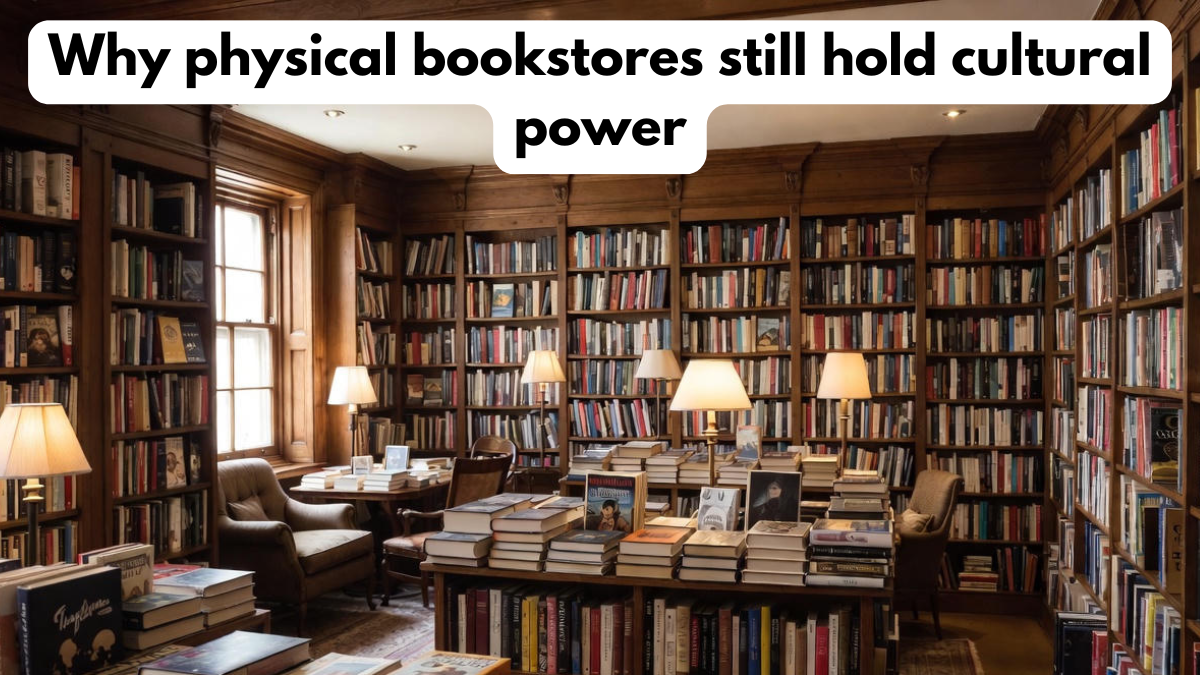
Why bookstores remain essential in a digital world
Although e-books and online shopping have transformed reading habits, physical bookstores continue to attract loyal audiences because they offer immersive, sensory engagement. Readers value the opportunity to interact with books directly—touching covers, flipping pages, and browsing curated shelves. These tactile experiences play a meaningful role in shaping reading culture, influencing personal tastes and encouraging spontaneous discovery.
Furthermore, bookstores support local economies and help cultivate literary appreciation. They host author events, book launches, discussion circles, and reading clubs that bring communities together. These activities strengthen reading culture by fostering intellectual exchange and encouraging people to explore genres they might not encounter online. The physical environment of a bookstore invites people to slow down and reconnect with literature in a mindful, intentional way.
The emotional appeal of bookstores
A major reason bookstores continue to thrive lies in their emotional impact. Many individuals associate bookstores with comfort, nostalgia, and personal rituals. For avid readers, the environment itself becomes a form of emotional therapy—quiet corners, warm lighting, and shelves filled with possibilities create a space of calm and inspiration. This emotional resonance reinforces the strong bond between bookstores and reading culture.
The emotional appeal is also tied to trust and authenticity. Readers feel confident exploring curated selections crafted by knowledgeable staff who understand literary trends and customer preferences. Unlike algorithmic suggestions, human recommendations reflect expertise, passion, and cultural awareness. This human element strengthens the relationship between bookstores and their communities, enriching the culture of reading one conversation at a time.
Table: Key Reasons Bookstores Still Influence Culture
| Reason | Explanation | Connection to Reading Culture |
|---|---|---|
| Emotional Experience | Bookstores offer comfort and nostalgia | Encourages long-term reading habits |
| Community Events | Workshops, author talks, clubs | Builds shared literary engagement |
| Curated Collections | Expert recommendations | Supports deeper literary exploration |
| Physical Browsing | Discovery beyond algorithms | Promotes curiosity and diversity |
| Cultural Identity | Bookstores as social spaces | Strengthens cultural appreciation |
This table highlights how bookstores maintain cultural relevance by nurturing experiences and interactions that digital platforms cannot fully replicate. Their contributions to reading culture extend far beyond book sales alone.
How bookstores strengthen community and creativity
Many bookstores operate as cultural centers, supporting creativity and social connection. Independent stores, in particular, champion local voices, displaying works by regional authors, poets, and artists. They provide platforms for emerging talent and offer spaces for meaningful discussions. These interactions become integral to reading culture, exposing readers to diverse perspectives and enriching local literary ecosystems.
Bookstores also encourage intergenerational bonding. Parents introduce children to picture books, teenagers discover new interests, and adults explore lifelong passions—all within the same space. These shared experiences help shape identities and reinforce reading as a family tradition. The presence of bookstores in a community signals a commitment to knowledge, creativity, and cultural growth.
The resilience and evolution of modern bookstores
While the digital age has brought challenges, bookstores have adapted by embracing new roles. Many now incorporate cafés, workspaces, and collaborative areas that support students, professionals, and artists. Through this evolution, they continue to influence reading culture by blending literature with lifestyle. Hybrid book cafés, themed reading lounges, and community-driven events reflect how the traditional bookstore is evolving to stay relevant.
Additionally, the rise of “bookstagram” and online reading communities has sparked renewed interest in physical books. Readers increasingly view bookstores as destinations for aesthetic enjoyment, photography, and social exploration. This trend strengthens the cultural significance of bookstores by connecting digital engagement with physical literary spaces.
Conclusion
Despite technological change, bookstores continue to hold enduring cultural power. They are emotionally rich environments, community hubs, and creative sanctuaries that support and expand reading culture. Their ability to provide human connection, sensory engagement, and curated discovery ensures they remain valuable in modern society. As long as people seek stories, inspiration, and a sense of belonging, bookstores will continue to shape cultural conversations and enrich the literary landscape for generations to come.
FAQs
Why are bookstores still popular today?
Bookstores remain popular because they provide immersive, emotional experiences that strengthen reading culture through curated selections and personal engagement.
How do bookstores support reading culture?
They host events, offer expert recommendations, and create community spaces that encourage readers to explore new genres and develop long-term reading habits.
Are independent bookstores more culturally influential?
Yes, independent bookstores often highlight local authors and unique voices, making them important contributors to diverse and vibrant reading culture.
Do bookstores impact how people discover new books?
Absolutely. Physical browsing encourages spontaneous discovery in ways that algorithms cannot, enriching readers’ experiences and expanding their literary interests.
Click here to know more.