The experience of sitting in a waiting room may seem simple, but waiting room psychology reveals that this environment can significantly heighten emotional tension. People often feel uneasy, impatient, or anxious when they face uncertainty or anticipate upcoming events such as medical procedures, interviews, or official meetings. These emotional responses do not happen by accident. They are shaped by subtle stress triggers present in the environment, from room layout to noise levels to the psychological weight of waiting itself. Understanding these triggers helps explain why waiting rooms are often associated with discomfort and why improving their design has become an important part of modern psychological and medical care.
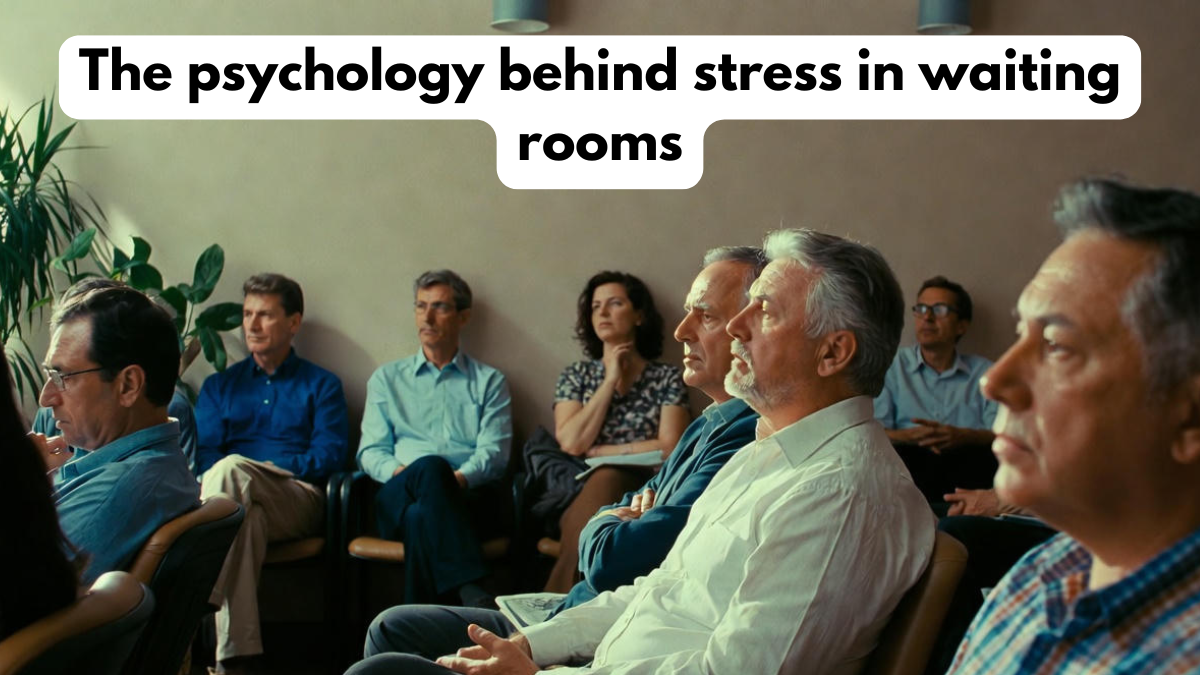
How uncertainty fuels waiting room anxiety
One of the strongest forces in waiting room psychology is uncertainty. Human beings are naturally sensitive to situations where they lack control or clear timelines. When people enter a waiting room, they often fear what might happen next. This activates several stress triggers, including unpredictability, anticipation, and the fear of bad news. These reactions stem from the brain’s attempt to prepare for possible threats, even when no real danger exists.
This phenomenon is particularly evident in medical waiting rooms, where patients worry about diagnoses or procedures. The longer the wait, the more the imagination fills the gaps, often amplifying discomfort. In broader environments such as job interviews or immigration offices, similar psychological patterns emerge. The emotional weight of waiting reflects how much humans crave clarity and reassurance. Without it, stress naturally increases.
Environmental stress triggers in waiting spaces
Physical spaces play a large role in shaping waiting room psychology. Specific elements in the environment unintentionally activate stress triggers that intensify emotional strain. Factors such as lighting, seating arrangement, noise levels, and layout determine how comfortable or uncomfortable people feel. A cluttered or poorly designed waiting room communicates chaos, while a calm, organized space encourages emotional stability.
Common environmental stress triggers include:
- Harsh fluorescent lighting
- Loud conversations or distracting noises
- Uncomfortable or crowded seating
- Inadequate signage or unclear directions
- Medical smells or sterile environments
- Long lines and visible delays
These triggers send subtle signals to the brain, increasing alertness and discomfort. Understanding and redesigning these elements can significantly improve the waiting experience and reduce unnecessary stress.
Table: Key Stress Triggers in Waiting Rooms
| Stress Trigger | Description | Impact on Waiting Room Psychology |
|---|---|---|
| Uncertainty | Lack of information or timelines | Increased anxiety and anticipation |
| Environmental Noise | Loud sounds and chatter | Heightened alertness and discomfort |
| Crowding | Limited personal space | Sense of vulnerability |
| Uncomfortable Seating | Physical discomfort | Emotional frustration |
| Lack of Distraction | Idle time increases worry | Amplifies internal stress |
| Clinical Atmosphere | Sterile or medical visuals | Fear of negative outcomes |
This table demonstrates how different stress triggers contribute to the emotional intensity associated with waiting environments, reinforcing the importance of thoughtful design in reducing psychological discomfort.
The role of time perception in waiting room psychology
Waiting alters the human perception of time. When people are anxious, minutes feel longer, and impatience increases. This distortion is a defining element of waiting room psychology. Stress heightens awareness, causing the mind to focus more on the passing of time, which in turn magnifies anxiety. When individuals have nothing to do or lack distractions, their minds often drift toward worst-case scenarios or exaggerated fears.
Providing distractions or structured information can significantly ease this issue. Elements such as reading material, calming visuals, estimated wait-time screens, or soft background music help reduce the impact of stress triggers. These tools shift the brain’s focus away from anxiety and toward more neutral or positive stimuli.
Why design improvements reduce emotional stress
Thoughtful design can transform waiting rooms from emotionally tense spaces into healing environments. Modern approaches to waiting room psychology increasingly focus on using calming colors, comfortable seating, natural lighting, and soothing artwork. These elements help counteract stress triggers by influencing mood and reducing sensory overload.
Healthcare facilities often introduce features like nature-inspired designs, aromatherapy, or gentle soundscapes to create a warmer experience. Corporate and government offices also experiment with digital queue systems and informative displays to reduce uncertainty. The goal is to create a sense of safety and predictability, allowing individuals to remain emotionally stable while they wait.
Conclusion
The science behind waiting room psychology shows that waiting is far more than just passing time—it is a complex emotional experience influenced by uncertainty, environment, and human perception. When stress triggers such as noise, discomfort, and unpredictability come into play, they intensify anxiety and discomfort. By understanding these triggers and improving the design and communication within waiting spaces, organizations can create environments that ease stress rather than amplify it. Thoughtful waiting rooms foster calmer, healthier, and more emotionally supportive experiences for everyone.
FAQs
What causes stress in waiting rooms?
Stress arises from uncertainty, environmental discomfort, and psychological anticipation, all of which activate strong stress triggers and shape waiting room psychology.
Why do waiting rooms feel more stressful in medical settings?
Medical environments increase stress because they involve fear of diagnoses or procedures, intensifying the emotional impact of stress triggers.
Can waiting room design reduce anxiety?
Yes, design improvements such as calming décor, comfortable seating, and clear information significantly reduce stress and support healthier waiting room psychology.
Why does waiting feel longer than it is?
Time feels slower during waiting because anxiety heightens awareness, making stress triggers more noticeable and intensifying emotional responses.
Click here to know more.