Food choices today are no longer driven solely by taste or price. Consumers are becoming increasingly conscious of how nutrition affects long-term health, energy levels, and overall lifestyle. However, traditional food labels often overwhelm shoppers with complex information that is difficult to interpret quickly. This gap between available data and practical understanding has accelerated the rise of smart nutrition labels. By combining digital data with real-time insights, smart nutrition labels are transforming how people evaluate what they eat.
As grocery aisles and online food platforms become more data-driven, food tech innovation is playing a central role in simplifying nutritional decision-making. Instead of static ingredient lists, smart nutrition labels provide interactive, personalized, and transparent information. This shift supports healthier habits by aligning food choices with individual needs, making personalized diets more accessible while strengthening transparency across the food ecosystem.
The Limitations of Traditional Nutrition Labels
Conventional nutrition labels were designed to offer standardized information, assuming that all consumers have similar dietary needs. While these labels provide essential data, they often fail to address individual health goals, allergies, or metabolic differences. As a result, many shoppers struggle to translate nutritional numbers into meaningful decisions. Smart nutrition labels address this challenge by transforming static data into actionable insights.
Through food tech, these labels integrate digital tools such as QR codes, mobile apps, and databases that adapt information to individual profiles. Instead of reading generic values, consumers receive guidance tailored to personalized diets. This approach enhances transparency by clearly explaining how ingredients and nutrients align with specific dietary preferences or health conditions.
How Smart Nutrition Labels Work
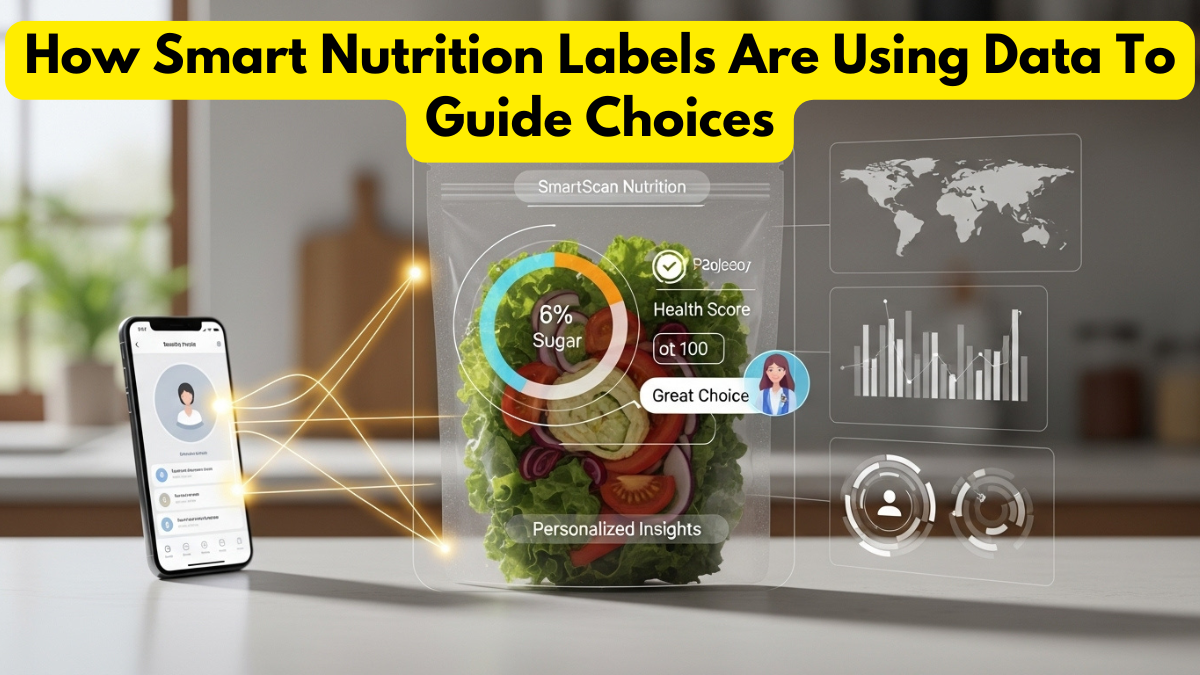
Smart nutrition labels function by connecting physical packaging with digital platforms. When scanned or accessed digitally, they unlock detailed nutritional data that goes beyond basic requirements. These systems often incorporate user preferences, dietary restrictions, and health goals to deliver customized insights.
Advanced food tech enables real-time updates, ensuring accuracy as formulations change. For example, consumers following personalized diets can instantly see whether a product aligns with their nutritional targets. This dynamic interaction promotes transparency by revealing sourcing, processing methods, and nutritional impact in a clear and understandable way. Over time, smart nutrition labels empower consumers to make informed decisions with confidence.
Supporting Personalized Diets Through Data
One of the most powerful advantages of smart nutrition labels is their ability to support personalized diets. Nutrition is not one-size-fits-all, and individual responses to food vary significantly. By integrating personal health data, these labels can recommend foods that align with specific needs such as low sugar intake, high protein requirements, or allergen avoidance.
This personalization is driven by food tech platforms that analyze user inputs and nutritional databases. Instead of relying on guesswork, consumers can align daily food choices with long-term health goals. The result is a more intuitive and supportive food environment where transparency and personalization work together to improve dietary outcomes.
The table below compares traditional nutrition labels with smart nutrition labels:
| Aspect | Traditional Nutrition Labels | Smart Nutrition Labels |
|---|---|---|
| Information format | Static and generic | Interactive and dynamic |
| Support for personalized diets | Limited | Highly customized |
| Use of food tech | Minimal | Central to functionality |
| Transparency level | Basic | Detailed and contextual |
| Consumer decision support | Low | High and actionable |
This comparison highlights why smart nutrition labels are becoming a preferred tool for health-conscious consumers.
Increasing Transparency in the Food Supply Chain
Beyond individual health benefits, smart nutrition labels contribute to broader transparency across the food supply chain. Consumers increasingly want to know where their food comes from, how it is processed, and whether it aligns with ethical and environmental standards. Traditional labels often lack the space to communicate this information effectively.
Through food tech, smart nutrition labels provide access to sourcing details, certifications, and sustainability data. This openness builds trust between brands and consumers while encouraging responsible production practices. By making complex information accessible, these labels reinforce transparency and accountability throughout the food system.
The Role of Food Tech in Consumer Empowerment
The growth of smart nutrition labels reflects a broader trend toward data-driven consumer empowerment. Food tech platforms are bridging the gap between science and everyday choices, translating nutritional research into practical guidance. This shift enables consumers to move from passive label reading to active engagement with their dietary decisions.
As digital ecosystems mature, smart nutrition labels are expected to integrate with health apps, wearable devices, and dietary planning tools. This connectivity further enhances personalized diets and reinforces transparency in how food impacts health. The result is a more informed and confident consumer base supported by intelligent systems.
Conclusion
The emergence of smart nutrition labels marks a significant advancement in how food information is delivered and understood. By leveraging food tech, these labels support personalized diets while enhancing transparency across the food industry. They empower consumers to make informed choices that align with individual health goals and values. As technology continues to evolve, smart nutrition labels will play a central role in shaping healthier, more transparent food systems worldwide.
FAQs
What are smart nutrition labels?
Smart nutrition labels are digital or interactive labels that provide personalized and detailed nutritional information using food tech.
How do smart nutrition labels support personalized diets?
They adapt nutritional data based on individual preferences, health goals, and dietary restrictions.
Are smart nutrition labels more transparent than traditional labels?
Yes, they offer deeper insights into ingredients, sourcing, and nutritional impact, increasing transparency.
Do smart nutrition labels require mobile apps?
Many use mobile apps or QR codes, though some integrate directly into digital shopping platforms.
Why is food tech important for smart nutrition labels?
Food tech enables data accuracy, personalization, and real-time updates that make smart nutrition labels effective.
Click here to know more.