Festivals are an important part of human culture because they bring communities together through celebration, tradition, music, food, and shared experiences. While some festivals focus on religion or national holidays, others are famous for their unusual customs, bizarre competitions, and extraordinary public performances. The topic of unusual festivals around the world fascinates travelers and cultural enthusiasts because these events reveal the creativity, humor, and traditions that make every society unique.
Many of these celebrations have deep historical roots connected to agriculture, spirituality, mythology, or local identity. Over time, they evolved into major cultural events attracting international tourists curious to experience something completely different from ordinary celebrations. From tomato fights in Spain to mud festivals in South Korea, these remarkable global festivals demonstrate how traditions can transform into world-famous attractions that unite people through entertainment and cultural expression.
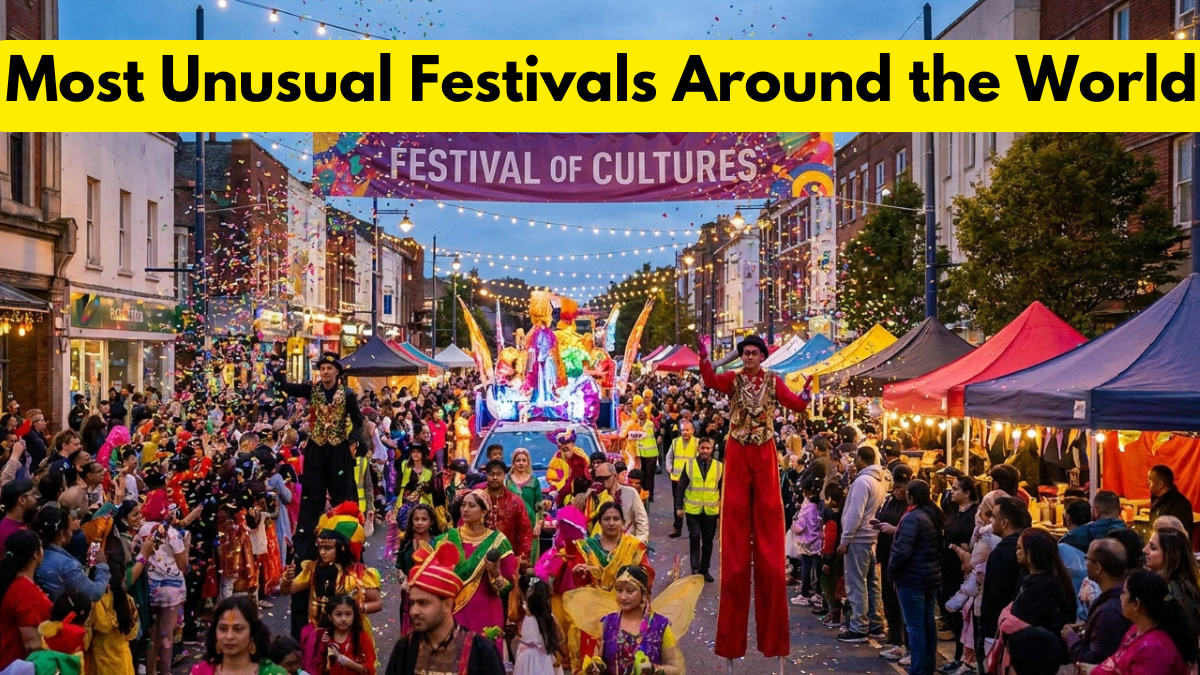
Why Unusual Festivals Exist
The reason unusual festivals around the world exist is closely connected to history, local traditions, religion, and community identity. Many strange celebrations originally started centuries ago as rituals related to harvest seasons, spiritual beliefs, or symbolic ceremonies.
Over time, these cultural events became important social traditions passed down through generations. Some festivals celebrate seasonal changes, while others involve symbolic acts believed to bring good luck, health, or prosperity.
Several factors contribute to the creation of unique global festivals, including:
- Agricultural traditions
- Religious rituals
- Historical events
- Local legends and folklore
- Community bonding
- Tourism promotion
In some regions, festivals help preserve cultural identity and attract international attention to local customs. Governments and tourism industries often support these celebrations because they boost local economies and encourage cultural exchange.
The creativity and diversity of these festivals show how different societies express joy, spirituality, humor, and tradition in completely unique ways.
Famous Unusual Festivals Around the World
Many unusual festivals around the world have gained international popularity because of their extraordinary activities and visual spectacle. These events often attract thousands of tourists eager to participate or witness traditions unlike anything in their home countries.
One of the most famous examples is La Tomatina in Spain, where participants throw thousands of tomatoes at each other during a massive public food fight. Another unusual celebration is the Boryeong Mud Festival in South Korea, where visitors enjoy mud wrestling, mud slides, and skincare activities using mineral-rich mud.
Other famous cultural events include:
- Monkey Buffet Festival in Thailand
- Cheese Rolling Festival in England
- Day of the Dead celebrations in Mexico
- Harbin Ice Festival in China
- Up Helly Aa Fire Festival in Scotland
- Kanamara Matsuri Festival in Japan
These fascinating global festivals highlight the diversity of cultural traditions and the imaginative ways communities celebrate history and social identity.
Many of these festivals combine ancient customs with modern entertainment, creating experiences that attract both locals and international visitors.
Table of Unusual Festivals Around the World
| Festival | Country | Main Attraction | Cultural Significance |
|---|---|---|---|
| La Tomatina | Spain | Tomato throwing battle | Community celebration |
| Boryeong Mud Festival | South Korea | Mud activities | Tourism and wellness |
| Monkey Buffet Festival | Thailand | Feeding monkeys | Religious and local tradition |
| Cheese Rolling Festival | England | Chasing rolling cheese downhill | Historical competition |
| Harbin Ice Festival | China | Massive ice sculptures | Winter cultural celebration |
| Up Helly Aa | Scotland | Viking fire parade | Norse heritage celebration |
These examples of unusual festivals around the world reveal how cultural traditions can become internationally recognized celebrations.
The popularity of these cultural events also demonstrates how festivals strengthen local identity while encouraging global tourism.
Cultural Importance of Global Festivals
Many global festivals are far more than entertainment events. They often represent historical memory, community unity, and cultural preservation. In many societies, festivals help maintain traditions that might otherwise disappear over time.
Several unusual festivals around the world are connected to religious beliefs or seasonal rituals. For example, Day of the Dead celebrations in Mexico honor deceased family members through colorful decorations, music, and symbolic offerings. Although visually unique, the festival reflects deep cultural respect for ancestry and family traditions.
Important cultural functions of these cultural events include:
- Preserving local traditions
- Strengthening community relationships
- Teaching younger generations about heritage
- Supporting local artists and performers
- Promoting regional tourism
Many communities spend months preparing costumes, decorations, music performances, and public ceremonies connected to these celebrations.
The growing popularity of international travel has increased global awareness of these festivals, helping smaller communities share their traditions with worldwide audiences.
Tourism and Economic Impact of Festivals
Tourism plays a major role in the success of many unusual festivals around the world. International visitors travel specifically to experience these celebrations, contributing significantly to local economies.
Hotels, restaurants, transportation companies, and local businesses often benefit greatly during major global festivals. Some events attract hundreds of thousands of tourists annually, generating millions of dollars for local economies.
Examples of festival-related economic benefits include:
- Increased hotel bookings
- Higher restaurant sales
- Cultural merchandise purchases
- Transportation revenue
- International media exposure
- Job creation during festival seasons
Several governments actively promote cultural events through tourism campaigns because they strengthen international cultural recognition while supporting local businesses.
However, growing tourism can also create challenges such as overcrowding, environmental damage, and rising costs for local residents. Organizers increasingly focus on sustainable festival management to balance tourism growth with cultural preservation.
Modern Changes in Cultural Events
Technology and social media have significantly transformed many global festivals in recent years. Viral videos, travel influencers, and online marketing now allow local celebrations to gain international attention rapidly.
Several unusual festivals around the world that were once regional traditions now attract visitors from multiple continents because of online exposure. Social media platforms encourage people to share photos and videos of colorful celebrations, unusual competitions, and cultural performances.
Technology has also changed how cultural events are organized through:
- Digital ticket systems
- Online festival promotion
- Live-streamed performances
- Virtual participation options
- International tourism marketing
At the same time, some communities worry that commercialization may reduce the traditional meaning of festivals. Organizers often attempt to balance global popularity with authentic cultural preservation.
Modern safety regulations and environmental concerns have also influenced how certain festivals operate. Some dangerous or environmentally harmful traditions have been modified to protect participants and public spaces.
Why People Love Unusual Festivals
People are naturally attracted to unusual festivals around the world because they offer excitement, cultural discovery, and memorable experiences. These events allow visitors to temporarily step outside everyday routines and participate in something extraordinary.
Several reasons why people enjoy global festivals include:
- Cultural curiosity
- Social connection
- Entertainment and excitement
- Photography opportunities
- Unique travel experiences
- Participation in local traditions
Many travelers believe attending authentic cultural events provides deeper understanding of local communities compared to traditional sightseeing alone.
Festivals also create strong emotional experiences because they involve music, costumes, public celebration, and shared participation. Even visitors unfamiliar with local languages or customs often feel connected through the universal energy of celebration.
Challenges Facing Traditional Festivals
Despite their popularity, many unusual festivals around the world face challenges related to modernization, environmental concerns, and changing social values. Younger generations may become less interested in maintaining traditional customs, while globalization introduces new cultural influences.
Some common challenges affecting cultural events include:
- Rising organizational costs
- Environmental damage from mass tourism
- Safety concerns during crowded celebrations
- Loss of traditional authenticity
- Commercialization pressures
Communities and governments increasingly work together to preserve important global festivals while adapting them to modern social and environmental expectations.
Cultural preservation programs, educational initiatives, and sustainable tourism policies help ensure these celebrations continue surviving for future generations.
Conclusion
The fascinating world of unusual festivals around the world demonstrates the incredible diversity of human culture, creativity, and tradition. From mud festivals and tomato battles to fire ceremonies and ice sculpture celebrations, these remarkable cultural events reveal how communities express identity, history, and joy in unique ways.
As tourism and globalization continue connecting societies, these unforgettable global festivals remain important symbols of cultural heritage and international exchange. They not only entertain millions of people but also preserve traditions that help define communities across the world.
FAQ
What are unusual festivals around the world?
These are unique celebrations involving unusual traditions, competitions, performances, or cultural customs found in different countries.
Why are cultural events important?
Cultural events help preserve traditions, strengthen community identity, and promote cultural understanding between societies.
Which global festivals are the most famous?
Popular examples include La Tomatina in Spain, Harbin Ice Festival in China, and Boryeong Mud Festival in South Korea.
How do global festivals affect tourism?
Many global festivals attract international visitors, boosting local economies through tourism, hospitality, and entertainment industries.
Are unusual festivals connected to history?
Yes, many festivals originated from historical rituals, agricultural traditions, religious practices, or local legends passed down through generations.
Click here to know more.