Ecommerce has transformed how people shop, but it has also introduced new challenges around trust, security, and credibility. With thousands of online stores competing for attention, shoppers often hesitate before completing a purchase, especially when encountering unfamiliar brands. In this environment, digital trust badges have become powerful signals that reassure customers and reduce uncertainty. By strengthening buyer confidence, enabling visible online verification, and directly supporting sales, trust badges influence purchasing decisions at critical moments. What may appear as a small visual element on a website often plays an outsized role in shaping how safe and reliable a store feels to potential buyers.
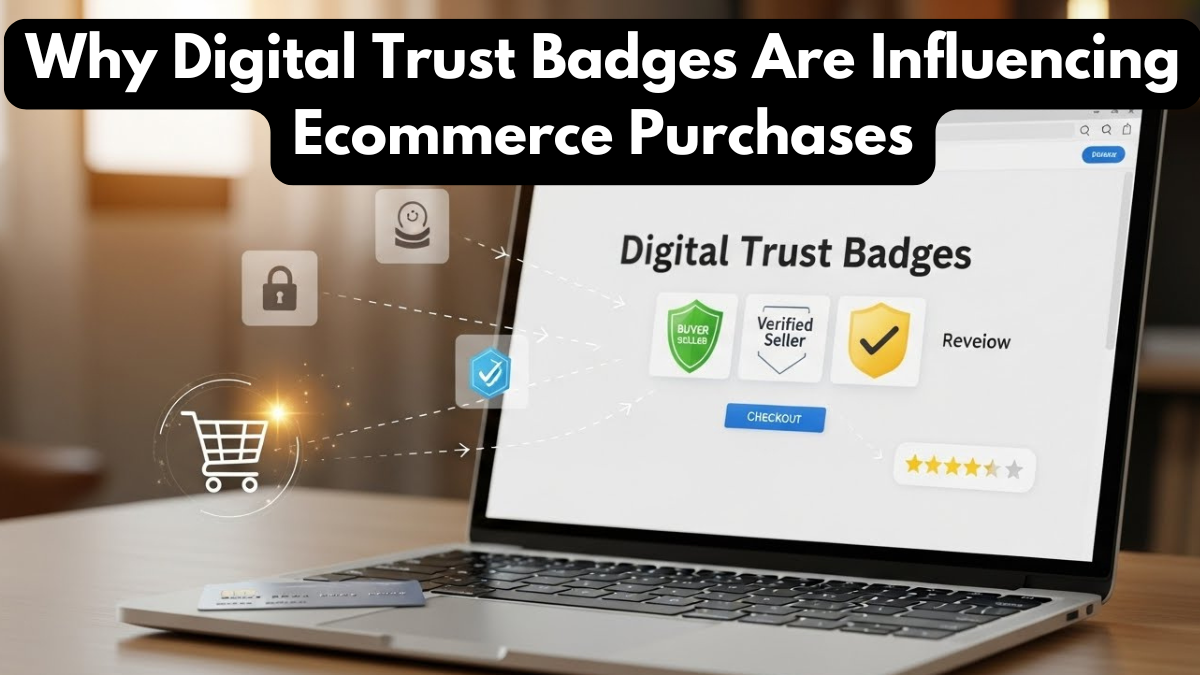
What Digital Trust Badges Are and Why They Matter
Digital trust badges are visual indicators displayed on ecommerce websites to communicate security, authenticity, or compliance with recognized standards. These badges may signal secure payment processing, data protection, verified business identity, or positive customer reviews. For shoppers navigating an unfamiliar store, such cues immediately influence buyer confidence. Trust badges function as shortcuts for decision-making, reducing the mental effort required to assess credibility. Through clear online verification, they help customers feel reassured that a website is legitimate and that their personal and payment information is protected, which directly impacts conversion rates and sales.
The Psychology Behind Buyer Confidence and Trust Signals
The effectiveness of digital trust badges is rooted in consumer psychology. Online shoppers lack physical cues such as store layout, staff interaction, or tangible products, making trust harder to establish. Visual trust signals compensate for this absence by providing reassurance at a glance. When buyer confidence increases, hesitation decreases, and shoppers are more likely to complete transactions. Online verification badges also reduce perceived risk, especially for first-time buyers. By addressing emotional concerns around fraud or misuse of data, trust badges create a sense of safety that positively influences sales outcomes.
Online Verification and Its Role in Reducing Purchase Friction
Reliable online verification is a cornerstone of effective digital trust badges. Verification processes may involve third-party audits, security certifications, or identity checks that confirm a business meets certain standards. Displaying these verifications prominently reduces friction during checkout, where doubts often arise. Shoppers who see clear proof of legitimacy experience higher buyer confidence, leading to smoother decision-making. For ecommerce brands, strong verification practices translate into fewer abandoned carts and improved sales performance. As online fraud becomes more sophisticated, visible verification reassures customers that safeguards are in place.
Comparing Ecommerce Experiences With and Without Trust Badges
A comparison highlights how digital trust badges influence shopper behavior.
| Aspect | Without Trust Badges | With Digital Trust Badges |
|---|---|---|
| Buyer confidence | Low for new visitors | High through reassurance |
| Perceived risk | Elevated | Reduced via online verification |
| Checkout hesitation | Frequent | Significantly lower |
| Brand credibility | Uncertain | Strengthened |
| Sales conversion | Lower rates | Higher sales performance |
This comparison demonstrates how trust badges can materially improve ecommerce outcomes.
Impact on Sales and Conversion Rates
The relationship between digital trust badges and sales is supported by consistent ecommerce trends. When customers feel secure, they are more willing to share information and finalize purchases. Trust badges placed near checkout buttons or payment fields have been shown to increase buyer confidence at the most critical stage of the journey. By reinforcing online verification, these badges reduce last-minute doubts that often derail transactions. Over time, improved trust leads not only to higher conversion rates but also to repeat purchases, as customers remember positive and secure experiences.
Choosing the Right Trust Badges for Ecommerce Stores
Not all digital trust badges deliver the same impact. Relevance and credibility are key factors. Badges that align with customer concerns, such as payment security or data protection, are more effective at boosting buyer confidence. Clear online verification from recognized authorities carries more weight than generic or unfamiliar symbols. Overuse of badges, however, can dilute their effectiveness. Strategic placement and authenticity ensure that trust badges support sales rather than distract from the shopping experience.
Challenges and Responsible Use of Trust Badges
While digital trust badges are influential, misuse can undermine trust. Fake or misleading badges damage buyer confidence when discovered and may lead to reputational harm. Ecommerce businesses must ensure that all displayed badges reflect genuine online verification and current compliance. Transparency about what a badge represents helps customers make informed decisions. When used responsibly, trust badges enhance credibility and support sustainable sales growth rather than short-term gains.
Conclusion
The growing influence of digital trust badges in ecommerce highlights the central role of trust in online purchasing decisions. By increasing buyer confidence, providing visible online verification, and directly supporting sales, trust badges help bridge the gap between shoppers and sellers in digital environments. As competition intensifies and consumers become more cautious, these small but powerful signals will continue to shape how people choose where to buy online. For ecommerce brands focused on long-term success, trust badges are no longer optional extras but essential components of the customer experience.
FAQs
What are digital trust badges?
Digital trust badges are visual indicators on websites that signal security, authenticity, or verified compliance to reassure shoppers.
How do trust badges increase buyer confidence?
They reduce perceived risk by showing proof of online verification, making customers feel safer during transactions.
Do digital trust badges really improve sales?
Yes, increased buyer confidence and reduced hesitation often lead to higher conversion rates and improved sales.
Are all trust badges equally effective?
No, badges backed by credible online verification sources are more effective than generic or unfamiliar symbols.
Where should trust badges be placed on a website?
They are most effective near checkout areas, payment forms, and key decision points where buyer confidence matters most.
Click here to know more.