Knowing how to prepare for cyclone checklist situations is essential for anyone living in coastal or cyclone-prone regions. Cyclones can escalate rapidly, bringing destructive winds, heavy rainfall, flooding, and power outages that disrupt daily life and endanger communities. While modern technology improves early warnings, personal readiness remains the most reliable form of protection. Following a structured prepare for cyclone checklist allows households to act calmly and decisively rather than reacting in panic. From monitoring the weather forecast to identifying safe shelters, preparation reduces risk, protects lives, and minimizes property damage.
Understanding Cyclone Risks and Early Warning Signs
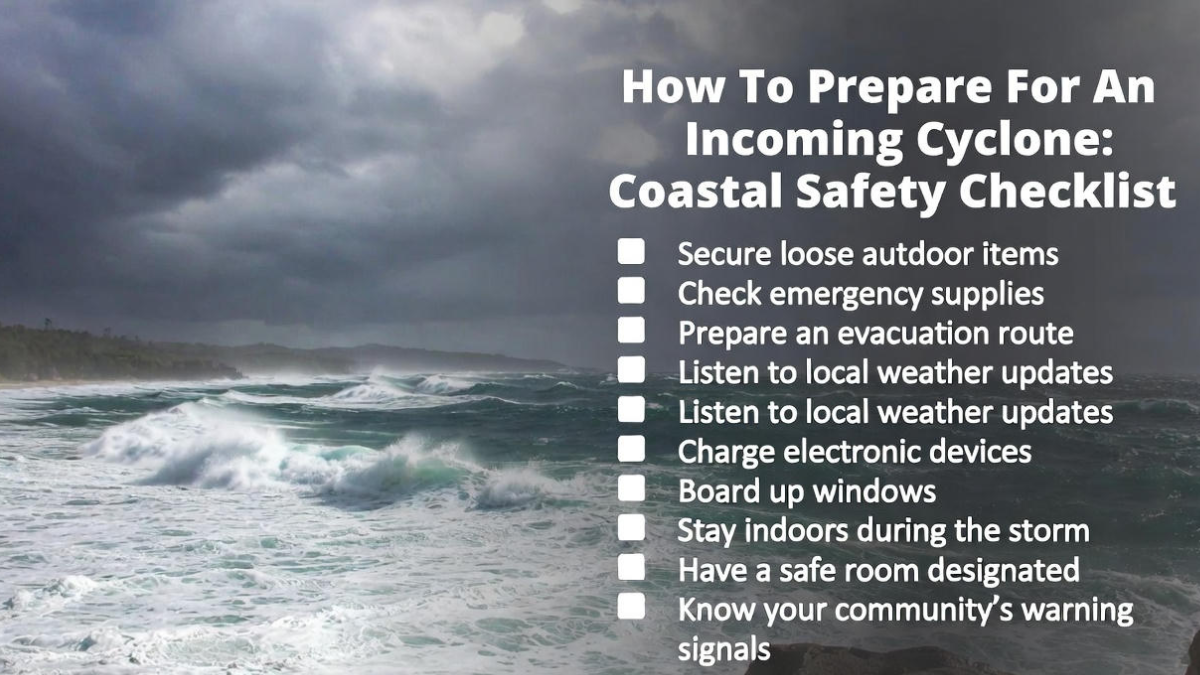
The first step in any prepare for cyclone checklist is understanding how cyclones form and why early warnings matter. Cyclones are powerful storm systems that can change direction or intensity with little notice. Regularly checking the weather forecast from reliable meteorological sources helps families track storm movement and make timely decisions. Ignoring early alerts often leads to rushed evacuation efforts and poor planning. By staying informed and recognizing risk levels, households can activate their prepare for cyclone checklist early, giving them more time to secure property and coordinate safe movement to shelters if necessary.
Key warning signs to monitor include:
- Rapidly intensifying weather forecast alerts
- Official evacuation advisories
- Rising tides and coastal flooding
- Extended power or communication disruptions
Building an Emergency Kit for Cyclone Readiness
A well-prepared emergency kit is a cornerstone of any effective prepare for cyclone checklist. Cyclones can isolate communities for days, making access to supplies difficult. An emergency kit ensures families can remain self-sufficient during and after the storm. Supplies should be stored in waterproof containers and placed where they are easy to access. Reviewing and updating the emergency kit annually ensures food, medications, and batteries remain usable. A complete prepare for cyclone checklist always prioritizes readiness before the storm arrives.
The table below outlines essential emergency kit components:
| Category | Items to Include | Purpose |
|---|---|---|
| Food & Water | Non-perishable food, bottled water | Sustains family during outages |
| Medical | First-aid supplies, medications | Health and injury care |
| Lighting | Flashlights, batteries | Visibility during power loss |
| Communication | Radio, phone chargers | Weather updates and alerts |
| Documents | IDs, insurance papers | Post-storm recovery |
This preparation ensures households remain resilient even if evacuation is delayed.
Evacuation Planning and Safe Movement
A clear evacuation plan is critical when conditions escalate beyond safe limits. Every prepare for cyclone checklist should identify evacuation routes, transportation options, and designated shelters well in advance. Families should agree on meeting points and communication methods in case they become separated. Leaving early often reduces exposure to dangerous road conditions and overcrowded shelters. Practicing evacuation drills strengthens confidence and ensures all household members understand their roles. A structured prepare for cyclone checklist treats evacuation as a proactive safety measure, not a last resort.
Important evacuation considerations include:
- Pre-identifying official shelters
- Keeping vehicles fueled and ready
- Assisting elderly or disabled family members
- Following official instructions tied to the weather forecast
Securing Property and Minimizing Damage
Beyond personal safety, a comprehensive prepare for cyclone checklist includes steps to protect homes and belongings. Securing loose objects, reinforcing windows, and clearing drainage systems reduce damage from strong winds and flooding. Electrical appliances should be unplugged, and important documents stored with the emergency kit. These actions do not eliminate risk but significantly reduce post-storm recovery challenges. Monitoring the weather forecast helps households time these preparations effectively. Proper property readiness complements evacuation and shelter plans within the broader prepare for cyclone checklist strategy.
Community Awareness and Post-Cyclone Safety
Cyclone preparedness extends beyond individual households to community coordination. Neighborhood communication networks can share updates on shelters, road closures, and emergency services. After the storm passes, safety risks remain, including downed power lines and contaminated water. Continuing to follow prepare for cyclone checklist guidance during recovery ensures safe reentry into affected areas. Checking on neighbors, especially vulnerable individuals, strengthens collective resilience. Cyclone readiness is not a one-time action but an ongoing process tied to awareness, cooperation, and preparation.
Conclusion
A well-planned prepare for cyclone checklist can make the difference between chaos and control during extreme weather events. By monitoring the weather forecast, assembling a reliable emergency kit, planning evacuation routes, and identifying safe shelters, families significantly reduce risks. Cyclones may be unpredictable, but preparedness empowers individuals and communities to respond effectively. Consistent planning, education, and vigilance ensure that when a cyclone approaches, readiness replaces fear with confidence.
FAQs
What is the most important step in a prepare for cyclone checklist?
Monitoring the weather forecast early allows households to activate safety plans before conditions worsen.
How often should an emergency kit be updated?
An emergency kit should be checked at least once a year and after every cyclone season.
When should evacuation be considered?
Evacuation should occur immediately when authorities issue official advisories or conditions become unsafe.
Are public shelters safe during cyclones?
Official shelters are designed to withstand severe weather and are a critical part of cyclone safety planning.
Can preparing early reduce cyclone damage?
Yes, early preparation using a prepare for cyclone checklist reduces injury risk and property damage significantly.
Click here to know more.