The growing focus on mental fitness marks a significant shift in how people define overall health and well-being. For decades, physical fitness dominated wellness conversations, often overshadowing the importance of mental resilience and emotional balance. Today, individuals are recognizing that a healthy mind is just as critical as a healthy body. This awareness has positioned mental fitness as a core pillar of modern wellness, influencing global wellness trends across personal, professional, and social domains.
As life becomes more fast-paced and digitally connected, stress, anxiety, and cognitive overload have become common challenges. In response, people are actively investing in practices that enhance brain health and build emotional strength. From mindfulness routines to cognitive training, mental fitness is no longer reactive care but a proactive lifestyle choice. This evolution reflects a broader understanding that mental well-being supports productivity, relationships, and long-term quality of life.
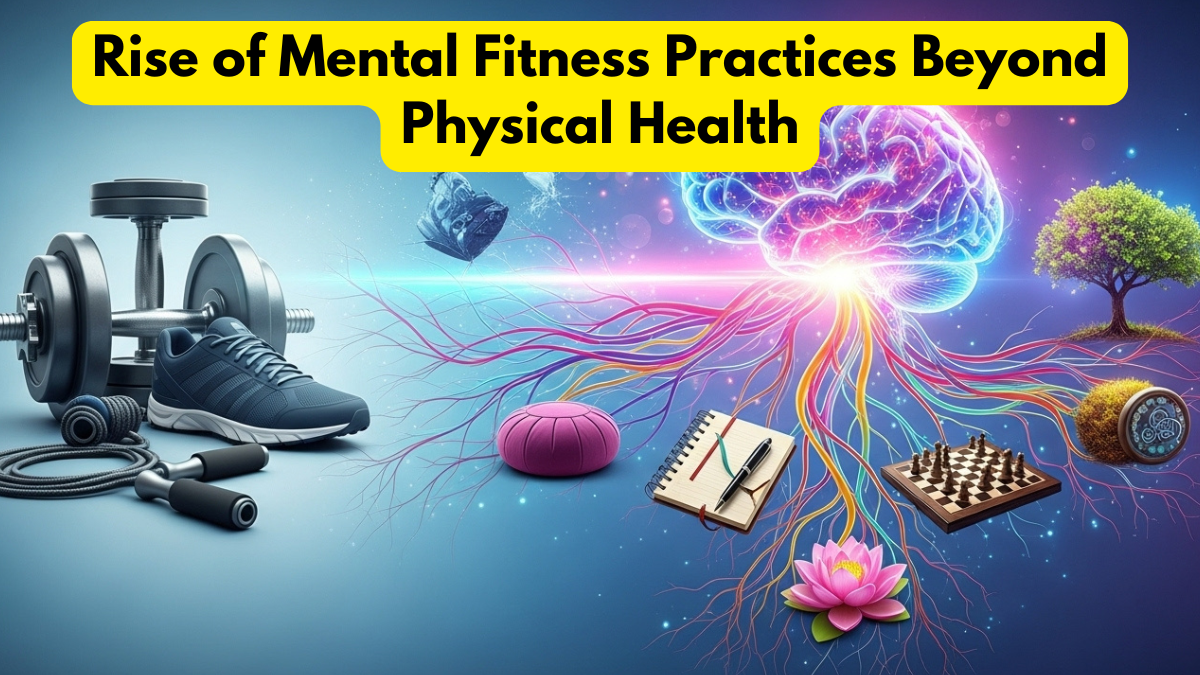
Understanding Mental Fitness and Its Core Components
At its foundation, mental fitness refers to the ability to manage thoughts, emotions, and behaviors effectively, especially during stress or change. Unlike mental health, which often focuses on treating disorders, mental fitness emphasizes daily practices that strengthen cognitive and emotional resilience. These practices help individuals adapt, stay focused, and maintain balance in demanding environments.
Key components of mental fitness include self-awareness, emotional regulation, and cognitive flexibility. Developing emotional strength allows individuals to process challenges without becoming overwhelmed. Similarly, prioritizing brain health through mental stimulation and rest supports memory, focus, and decision-making. Together, these elements form a holistic approach that aligns with evolving wellness trends focused on prevention and sustainability.
Role of Emotional Strength in Mental Fitness
Emotional strength is a vital aspect of mental fitness, enabling individuals to navigate life’s uncertainties with confidence and composure. It involves recognizing emotions, understanding their impact, and responding constructively rather than reactively. Strong emotional skills contribute to healthier relationships, better communication, and improved stress management.
Building emotional strength requires intentional practice. Techniques such as journaling, mindfulness, and emotional reflection help individuals develop resilience over time. As part of mental fitness, emotional resilience empowers people to recover from setbacks and maintain motivation. This growing emphasis on emotional well-being reflects broader wellness trends that value inner stability alongside external success.
Importance of Brain Health in Daily Life
Maintaining brain health is essential for sustaining mental fitness throughout life. Cognitive functions such as memory, attention, and problem-solving directly influence performance at work and daily decision-making. Factors like sleep quality, nutrition, and mental stimulation play a significant role in supporting brain health.
Modern lifestyles often challenge brain health through constant multitasking and digital distractions. As awareness grows, people are adopting habits that protect cognitive function, such as limiting screen time, practicing focused attention, and engaging in learning activities. These efforts reinforce mental fitness by keeping the brain adaptable and resilient, aligning with emerging wellness trends centered on longevity and cognitive vitality.
Mental Fitness as a Key Wellness Trend
The rise of mental fitness reflects a broader transformation in global wellness trends. Wellness is no longer confined to physical appearance or exercise routines; it now encompasses mental clarity, emotional balance, and cognitive resilience. Corporations, schools, and healthcare providers are increasingly integrating mental fitness programs into their offerings.
Digital platforms and wellness apps have also contributed to this shift by making mental training tools widely accessible. From meditation guides to cognitive exercises, these resources support brain health and emotional strength at scale. As wellness trends continue to evolve, mental fitness is becoming a defining element of holistic well-being strategies worldwide.
Benefits of Prioritizing Mental Fitness
Investing in mental fitness yields benefits across multiple areas of life. Improved focus, reduced stress, and enhanced emotional regulation contribute to better performance and satisfaction. Individuals who prioritize brain health often experience sharper thinking and greater adaptability. Similarly, strengthening emotional strength leads to healthier coping mechanisms and improved interpersonal relationships.
Below is a table highlighting the impact of mental fitness compared to a solely physical wellness approach:
| Aspect | Physical Wellness Focus | Mental Fitness Focus |
|---|---|---|
| Stress Management | Limited | Strong emotional strength |
| Cognitive Performance | Indirect | Enhanced brain health |
| Emotional Awareness | Minimal | High self-regulation |
| Long-Term Resilience | Variable | Consistent and sustainable |
| Alignment with Wellness Trends | Partial | Holistic and modern |
This comparison illustrates why mental fitness is increasingly prioritized alongside physical health.
Conclusion
The rise of mental fitness beyond physical health represents a meaningful evolution in how well-being is understood and practiced. By strengthening emotional strength, protecting brain health, and embracing modern wellness trends, individuals can build resilience and clarity in an increasingly complex world. As awareness continues to grow, mental fitness will remain a cornerstone of holistic health, empowering people to thrive mentally, emotionally, and cognitively over the long term.
FAQs
What is mental fitness?
Mental fitness refers to the ability to manage emotions, thoughts, and stress effectively through consistent mental practices.
How does emotional strength support mental fitness?
Emotional strength helps individuals cope with challenges, regulate emotions, and maintain balance, which strengthens mental fitness.
Why is brain health important for mental fitness?
Strong brain health supports focus, memory, and adaptability, all of which are essential for sustained mental fitness.
Is mental fitness part of modern wellness trends?
Yes, mental fitness is a growing focus within global wellness trends, emphasizing holistic and preventive well-being.
Click here to know more.