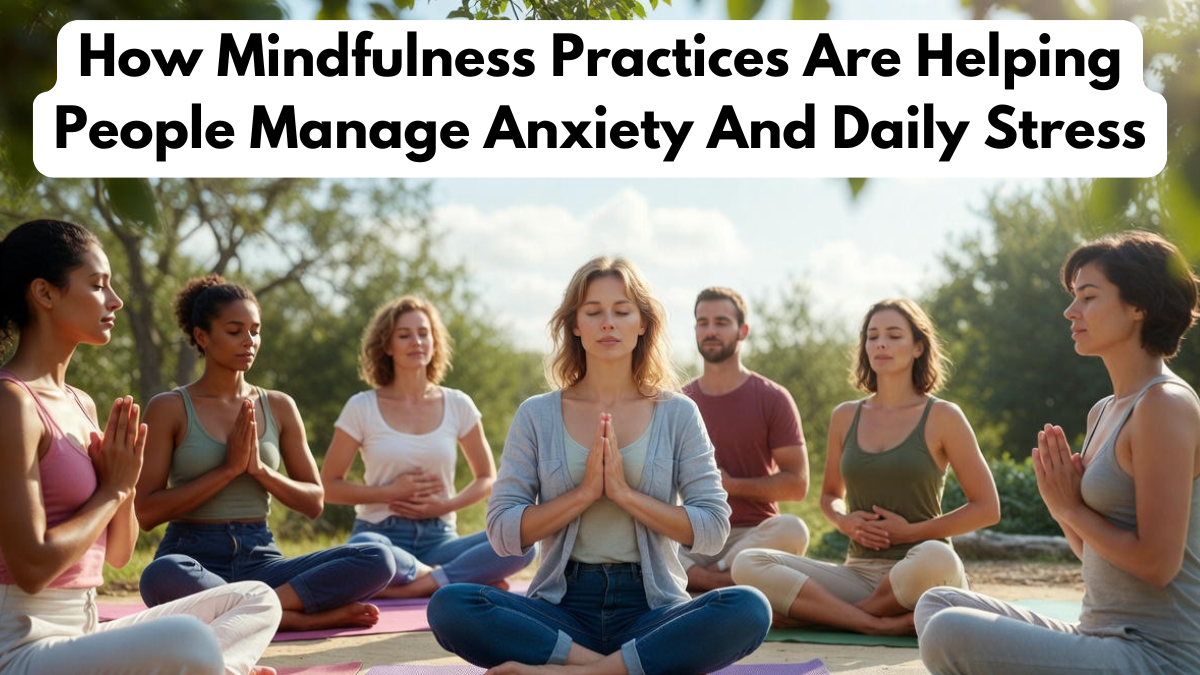
In today’s fast-paced world, people are increasingly turning to mental wellness practices to restore balance in their daily lives. Among these practices, the mindfulness benefits associated with focused awareness, emotional clarity, and inner calm have gained widespread recognition. Whether practiced through meditation, breathing exercises, or mindful observation, mindfulness helps individuals reconnect with the present moment. This powerful approach has become one of the most effective stress reduction techniques, enabling people to manage anxiety, improve concentration, and enhance overall well-being. As mental health awareness grows, mindfulness continues to emerge as a transformative tool for emotional resilience.
Why Mindfulness Has Become a Global Wellness Trend
The increasing popularity of mindfulness stems from the mounting pressures of modern life. Long working hours, constant digital distractions, and emotional strain contribute to rising stress levels worldwide. People are seeking methods that offer both immediate relief and long-term mental clarity. This is where the mindfulness benefits become essential. By training the mind to focus on the present, individuals can reduce overwhelming thoughts, calm their emotions, and improve focus.
Mindfulness also supports emotional resilience, helping people respond to challenges with greater patience and clarity. This effect has made mindfulness especially useful for students, professionals, caregivers, and individuals coping with anxiety. As more scientific research highlights its effectiveness, mindfulness is increasingly recognized as one of the most powerful stress reduction techniques available today.
How Mindfulness Enhances Mental and Physical Health
The mindfulness benefits extend far beyond relaxation. Studies show that mindfulness positively affects both brain structure and bodily functions. Practicing mindfulness regularly can reduce cortisol levels—the hormone responsible for stress—while also improving sleep quality and boosting immune function. Physical symptoms such as headaches, muscle tension, and digestive issues often decrease as a result of consistent mindfulness practice.
Emotionally, mindfulness helps regulate mood and decrease symptoms of anxiety and depression. It allows individuals to observe their thoughts without judgment, leading to healthier cognitive processing. These improvements highlight why mindfulness has become a cornerstone of modern stress reduction techniques.
Below is a table summarizing key health benefits associated with mindfulness:
| Mindfulness Benefit | Mental or Physical Effect | Role in Stress Reduction Techniques |
|---|---|---|
| Improved Focus | Enhances attention span | Helps manage overwhelming thoughts |
| Reduced Anxiety | Lowers cortisol and worry | Creates emotional stability |
| Better Sleep | Promotes relaxation | Supports overall well-being |
| Lower Blood Pressure | Reduces physical stress responses | Improves heart health |
These benefits reinforce the powerful role of mindfulness in supporting mental and physical wellness.
Everyday Mindfulness Practices That Promote Relaxation
The simplicity and accessibility of mindfulness make it suitable for all types of lifestyles. Unlike complex wellness routines, mindfulness does not require equipment or extensive training. People can incorporate mindfulness benefits into daily routines through simple and effective activities such as focused breathing, mindful walking, or short meditation sessions.
Breathing exercises remain among the most widely used stress reduction techniques. Deep, intentional breaths help slow the nervous system and create an immediate sense of calm. Mindful eating encourages individuals to pay attention to flavors, textures, and sensations, transforming everyday meals into grounding experiences. Journaling, guided meditation, and sensory awareness exercises are additional ways to practice mindfulness effectively.
These small but meaningful actions help individuals reconnect with the present moment, replacing anxiety with clarity and relaxation. When practiced consistently, they offer long-lasting improvements in emotional well-being and stress management.
How Mindfulness Supports Productivity and Decision-Making
One of the lesser-known mindfulness benefits is its impact on productivity and cognitive performance. Mindfulness helps develop sharper focus, allowing individuals to concentrate on tasks without becoming overwhelmed by distractions. This improved mental clarity enhances decision-making and encourages thoughtful responses rather than impulsive reactions.
Workplaces around the world are now integrating mindfulness programs to help employees reduce stress and stay motivated. Mindfulness supports creativity, problem-solving, and team communication, making it a valuable tool for professional environments. As a result, mindfulness has become one of the most significant stress reduction techniques for improving both personal and workplace performance.
The Role of Mindfulness in Emotional Intelligence
Emotional intelligence involves understanding and managing one’s emotions as well as recognizing the feelings of others. Mindfulness strengthens emotional intelligence by increasing self-awareness and empathy. When individuals become more attuned to their internal experiences, they are better able to communicate clearly, build stronger relationships, and approach conflicts calmly.
These emotional mindfulness benefits are especially important for leaders, educators, parents, and anyone working in high-stress environments. By promoting compassion and emotional balance, mindfulness becomes a powerful tool for improving interpersonal skills and supporting healthy social connections.
Scientific Evidence Supporting Mindfulness Benefits
Over the past decade, scientific research has expanded significantly on the effects of mindfulness. Brain imaging studies show that consistent mindfulness practice strengthens the prefrontal cortex—the part of the brain responsible for decision-making and emotional control. It also reduces activity in the amygdala, the region linked to fear and stress responses. These findings confirm why mindfulness is one of the most reliable stress reduction techniques.
Additionally, clinical studies indicate that mindfulness-based therapies effectively reduce symptoms of anxiety, depression, and chronic pain. Healthcare providers increasingly recommend mindfulness exercises as part of mental health treatment plans. The combination of scientific evidence and real-world results continues to reinforce the importance of mindfulness in daily life.
Conclusion
The mindfulness benefits available through regular practice make mindfulness one of the most valuable tools for improving emotional well-being and mental health. As one of the most effective stress reduction techniques, mindfulness helps individuals reduce anxiety, enhance focus, improve sleep, and develop emotional stability. In a world filled with constant pressures and distractions, mindfulness provides a peaceful and empowering way to reconnect with the present moment. By incorporating mindfulness practices into daily routines, people can build resilience, achieve greater clarity, and lead healthier, more balanced lives.
FAQs
How do mindfulness benefits improve mental health?
They reduce stress, enhance emotional regulation, and promote calmness and clarity.
Why are stress reduction techniques like mindfulness so effective?
Because they directly target stress responses in the brain and help relax the nervous system.
How long does it take to see benefits from mindfulness?
Many people experience improvements within a few days, while long-term practice leads to deeper results.
Can mindfulness help with anxiety?
Yes, mindfulness is widely used to reduce anxiety by promoting awareness and reducing negative thought patterns.
Do mindfulness benefits apply to all age groups?
Absolutely. Children, adults, and seniors all benefit from mindfulness in different yet meaningful ways.
Click here to know more.