Parenting today involves much more than helping children with studies and discipline. One of the biggest emotional challenges families face is managing parenting peer pressure among kids. Children are constantly influenced by classmates, friend groups, school expectations, and social comparison. From academic performance to hobbies, appearance, gadgets, and social acceptance, peer influence can shape confidence and emotional well-being very deeply.
The growing concern around parenting peer pressure among kids is closely linked to child comparison and rising school pressure. Parents often notice children becoming anxious because “everyone else is doing better” or “everyone already has it.” This pressure does not come only from children’s social circles—it also comes from adults, family expectations, and competitive school environments. Supporting children through this emotional space requires awareness, patience, and healthy communication.
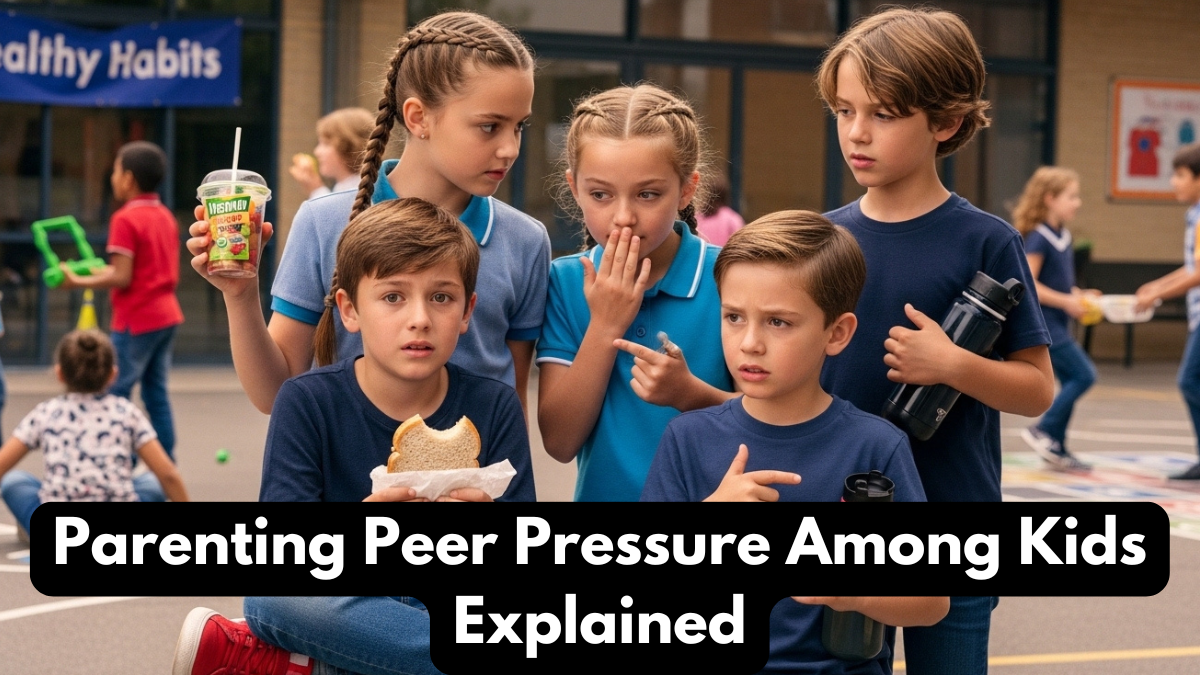
What Is Parenting Peer Pressure Among Kids?
The term parenting peer pressure among kids refers to the role parents play in helping children manage the emotional pressure created by friends, classmates, and social expectations. Peer pressure is not always negative—it can motivate growth—but when it creates anxiety, insecurity, or unhealthy comparison, it becomes emotionally harmful.
This is where child comparison becomes a major issue. Children may compare grades, sports performance, friendships, clothing, or social popularity. Combined with heavy school pressure, this can make them feel they are never doing enough.
Common examples include:
- Comparing marks with classmates
- Feeling left out due to gadgets or lifestyle differences
- Pressure to join trends to fit in
- Academic competition becoming emotional stress
- Fear of not being “good enough” socially
- Anxiety caused by constant performance comparison
These situations show why parenting peer pressure among kids is a serious emotional issue, not just a normal childhood phase.
How Child Comparison Affects Confidence
One of the strongest emotional effects of child comparison is reduced self-worth. When children constantly compare themselves to others, they begin measuring value through performance rather than personal growth. This can damage confidence even when the child is doing well.
Parents may unintentionally increase this pressure by comparing siblings, classmates, or relatives. Statements like “Look how well they are doing” may sound motivating, but they often increase insecurity instead. This makes parenting peer pressure among kids even more difficult to manage.
Common emotional effects include:
- Fear of failure
- Reduced self-confidence
- Anxiety before exams or social events
- Feeling emotionally behind others
- Loss of motivation after repeated comparison
- Difficulty enjoying personal achievements
This is why reducing unhealthy child comparison is one of the most important parts of emotional parenting.
School Pressure and Emotional Stress in Children
Modern school pressure goes far beyond academics. Children are expected to perform well, participate socially, stay confident, and keep up with fast-changing expectations both online and offline. This creates emotional exhaustion, especially when success feels linked to approval.
The issue of parenting peer pressure among kids becomes stronger when children feel they must constantly prove themselves. Academic rankings, coaching competition, sports performance, and even lunchbox or fashion choices can create pressure inside school environments.
Major sources of school pressure include:
- Competitive academic ranking systems
- Social acceptance and friendship groups
- Fear of teacher judgment
- Extracurricular performance expectations
- Coaching and tuition comparison
- Social media influence among classmates
This shows that school pressure is often emotional, not just educational.
Healthy Support vs Pressure-Based Parenting
Parents often want the best for children, but the way support is given matters deeply. Healthy guidance helps confidence grow, while pressure-based parenting increases fear. Understanding this difference is central to managing parenting peer pressure among kids.
Here is a simple comparison:
| Healthy Parenting Support | Pressure-Based Parenting |
|---|---|
| Encourages personal progress | Focuses only on comparison |
| Supports emotional safety | Creates fear of failure |
| Praises effort and growth | Praises only results |
| Helps manage school pressure | Increases school pressure |
| Builds confidence | Weakens self-worth |
This table explains why reducing child comparison creates stronger long-term emotional resilience than performance pressure alone.
How Parents Can Reduce Peer Pressure at Home
The best way to handle parenting peer pressure among kids is by creating emotional safety at home. Children should feel that home is a place where they are accepted, not another place of performance judgment. Strong emotional security helps them manage outside pressure more confidently.
Helpful parenting habits include:
- Listening without immediate judgment
- Avoiding direct comparison with other children
- Praising effort instead of only outcomes
- Helping children define personal goals
- Teaching that failure is part of growth
- Reducing unnecessary academic pressure
When children feel emotionally supported, school pressure becomes easier to manage. Confidence grows faster when success is not the only source of love or approval.
This is how families protect children from unhealthy child comparison.
Why Emotional Communication Matters Most
Many children do not openly say they are struggling with peer pressure. Instead, it appears as mood changes, anger, withdrawal, sleep issues, or sudden fear of school. Parents must notice emotional signals, not just visible behavior.
The conversation around parenting peer pressure among kids requires emotional listening, not only advice. Asking “How are you feeling?” is often more powerful than asking “What happened?”
This approach helps children process school pressure without shame and reduces the long-term emotional impact of child comparison.
Children need emotional understanding before they need solutions.
Conclusion
The reality of parenting peer pressure among kids shows how deeply social comparison and school expectations affect emotional development. Children today face pressure from academics, friendships, appearance, and performance at younger ages than ever before.
Reducing unhealthy child comparison and managing growing school pressure requires more than discipline—it requires emotional safety, patient communication, and strong parental awareness. When parents focus on confidence instead of competition, children grow with stronger self-worth and healthier resilience. That is the real goal of modern parenting.
FAQs
What is parenting peer pressure among kids?
It refers to how parents help children manage emotional stress caused by classmates, social expectations, academic competition, and comparison with peers.
Why is child comparison harmful?
Child comparison can reduce confidence, increase anxiety, and make children feel their value depends only on performance rather than personal growth.
How does school pressure affect children emotionally?
School pressure can create stress, fear of failure, social anxiety, low self-esteem, and emotional exhaustion when children feel constant pressure to perform.
How can parents reduce peer pressure at home?
Parents can avoid comparisons, praise effort, listen calmly, create emotional safety, and help children focus on personal progress instead of competition.
Is some peer pressure normal for children?
Yes, some peer influence is natural and can support growth, but when it creates fear, insecurity, or emotional distress, it needs careful parental support.
Click here to know more.